
The Consequences of Driving With a Suspended License
A driver’s license is proof enough that you are qualified to operate a motor vehicle. It is evidence that you have passed your vision, written, and driving exams. You are probably wondering why then you would have your driver’s license suspended. There are a multitude of reasons that would get your driver’s license suspended, including reckless driving, drag racing, and leaving an accident scene. A suspended driver’s license is a serious issue. Here is what happens if you are driving with a suspended license.Serving Time in Prison
One of the consequences of driving with a suspended license is serving time in prison. In Texas, you might end up staying for about one year in jail if you are convicted of driving with a suspended license. Still, the length of your sentence will depend on the number of times you have been convicted for the same crime.A Revoked Driver’s License
Even though a suspended license is a serious issue, it still means you have hope of getting your driver’s license back after the period of suspension lapses. However, if you are found driving with a suspended license, you risk having your driver’s license revoked. It happens especially when you have several other convictions of driving with a suspended license.Paying Hefty Fines
Paying fines is one of the things that can happen if you drive on a suspended license. Even though each state has different penalties for driving with a suspended license, a steep fine is one thing that these states have in common. In Texas, you can pay a fine of up to $4,000 and still serve a jail term of one year if you are found driving with a suspended license.Denied Registration or Plate Confiscation
Repeat offenders face even more severe penalties, such as immobilization, denied registration, ignition interlock, or plate confiscation. The police and the court have the legal power to confiscate your vehicle’s registration number if you repeatedly drive with a suspended license. If the court impounds your car, you will be greatly inconvenienced, on top of having to incur unnecessary costs. The length of time your car will stay impounded depends on the type of offense you have committed and whether you have a record of similar offenses.Do You Want to Avoid Harsh Penalties?
Contact EasyDriversEd to book your Texas driving permit practice test today. We will tell you how we can help you achieve the best possible outcome for your situation.Car Safety Features For Teens & New Drivers
Choosing the best car safety features for teens and new drivers is a key step in ensuring their safety behind the wheel. From foundational protections like airbags and ABS to modern technologies like automatic braking and blind spot detection, several features can dramatically reduce crash risk and improve road awareness. Understanding these options helps parents and teens make informed decisions when selecting a vehicle and preparing for safe driving.Key Takeaways
- Key safety features for teen drivers include airbags, anti-lock brakes, and electronic stability control, providing essential protection during accidents.
- Advanced Driver Assistance Systems (ADAS) such as automatic emergency braking and blind spot detection can significantly reduce the likelihood of teen driver accidents.
- Selecting a vehicle with high crash test ratings and adequate size/weight can enhance safety for teen drivers, while monitoring technologies promote responsible driving behaviors.
Must-Have Safety Features in Cars for Teen Drivers
Teen drivers face elevated risks on the road due to inexperience and exposure to unpredictable traffic situations. That’s why building essential safe driving habits for everyday road safety starts with staying alert, maintaining proper following distances, and adjusting speed to match road conditions. These habits help new drivers stay in control and respond calmly in critical moments. Safety features are vital for protecting teen drivers, who face distinct risks on the road. Essential features include:- Airbags to protect occupants during collisions
- Anti-lock brakes (ABS) to prevent wheel lock during hard braking
- Electronic stability control (ESC) to maintain control during extreme maneuvers.
Advanced Driver Assistance Systems (ADAS)
 Advanced Driver Assistance Systems (ADAS) enhance vehicle safety and improve driver awareness, which is crucial for novice drivers. Examples include:
- Automatic emergency braking
- Lane departure prevention
- Blind spot detection
Importance of Crash Test Ratings
Crash test ratings from organizations like the IIHS and NHTSA are key when choosing a car for a teen driver. High-rated vehicles usually come with:- Advanced safety features that reduce injury risk in accidents
- Better crash protection offered by newer vehicles
- Safety assessments in various driving scenarios, including nighttime visibility, according to the Insurance Institute.
- Check for recalls using the vehicle’s identification number before buying.
- Consider vehicles that balance safety and affordability.
- Ensure the vehicle has passed rigorous crash tests to provide peace of mind, knowing it meets high safety standards.
Vehicle Size and Weight Considerations
Vehicle size and weight are crucial for safety during collisions, with larger and heavier vehicles generally offering better protection. Consider the following:- Opt for a vehicle weighing at least 2,750 pounds for better protection.
- Heavier vehicles absorb more crash energy.
- Larger vehicles are less impacted by collisions with lighter vehicles.
- Death rates for minicars are over 80% higher in frontal crashes with large SUVs.
- The impact force in collisions is influenced by the weight disparity between vehicles.
- Lighter vehicles experience greater structural damage.
- Higher injury severity occurs in smaller cars because of these factors.
Monitoring and Reporting Technologies
Monitoring and reporting technologies allow parents to track their teen’s driving habits and ensure safe practices. Life360 provides real-time location tracking and detailed reports on behaviors like speeding. Bouncie also offers real-time reports on driving habits, including speed and location, helping parents monitor their teens effectively. TrueMotion provides insights into a teen’s cell phone use while driving and generates a safety-based driving score. MamaBear alerts parents when their teen exceeds the speed limit or enters blocked or restricted areas, along with social media access monitoring. DriveSmart offers the following benefits:- Immediately notifies parents if their teen is involved in an accident.
- Offers tips for promoting safer driving habits.
- Reinforces safe driving behaviors.
- Provides peace of mind for parents.
- Allows parents to stay informed about their teen’s driving habits.
- Enables parents to intervene when necessary to ensure safety.
Seat Belt Reminders and Usage
 Seat belt usage is critical, especially for teen drivers. Buckling up can be life-saving, significantly cutting the risk of serious injuries and fatalities in crashes by approximately 50%. Seat belts prevent injuries and fatalities, emphasizing the importance of always wearing them to avoid dangerous situations. Key statistics about teen drivers and seat belt usage:
- In 2023, 53% of teen drivers who died were not wearing seat belts, highlighting the importance of wearing seat belts.
- At least half of teen drivers and teen passengers killed in crashes in 2020 were not wearing seat belts.
- Nine out of 10 passengers were unbuckled if the teen driver was unbuckled.
- About 43% of teenagers do not consistently buckle up.
- Seat belt use is higher in states with primary enforcement laws, which allow tickets for not wearing a seat belt even without other violations.
- Seat belt usage can lower front-seat passenger death likelihood by 45%.
- Encouraging consistent seat belt use through reminders and setting a good example greatly enhances safety for teen drivers.
Limiting Distractions: In-Car Technology
Minimizing in-car distractions is vital for teen driver safety. Features that help achieve this include:- Hands-free communication systems that enable calls without taking one’s hands off the wheel.
- Infotainment controls that reduce the need for physical adjustments, minimizing driver distraction.
- Voice-activated features in many new vehicles to manage navigation and entertainment, keeping attention on the road, especially when using cell phones.
Nighttime Driving Aids
 Nighttime driving presents unique visibility challenges, making it crucial for new drivers to use modern safety technologies. Automatic High Beams adjust headlight intensity and direction based on surrounding light conditions, ensuring maximum visibility without blinding oncoming drivers. Night Vision Assist uses thermal imaging to detect pedestrians, animals, and other obstacles not visible under standard headlights, adding an extra layer of safety. Enhanced Headlights offer improved road and surroundings illumination, making it easier for drivers to navigate and react to potential hazards during nighttime driving. These aids significantly improve safety for teen drivers still gaining experience with nighttime driving conditions and driver’s skills, contributing to highway safety.
Choosing the Right Car for Your Teen
Choosing a car with high safety ratings is crucial for protecting teen drivers. Prioritize the following when selecting a vehicle:- Vehicles rated four or five stars by NHTSA or recognized by the IIHS for excellent safety performance
- A vehicle that weighs at least 2,750 pounds for better crash protection
- A balance of safety features, ratings, and reliability to find an affordable, safe car for your teen.
Parent-Teen Driving Agreements
Creating a written Parent-Teen Driving Agreement establishes clear ground rules and expectations for young drivers and their child. Discussing potential hazards and consequences of rule-breaking is a critical part of the agreement process. Parents can encourage seat belt use by setting a rule that everyone must buckle up before the car moves, in accordance with GDL laws, considering the various age groups involved. Discussing the risks of not wearing a seat belt can help teens recognize its importance. Regularly updating the driving agreement as teens gain experience reinforces safe driving responsibilities. These agreements are valuable tools for promoting safe driving behaviors and ensuring teens understand their responsibilities as drivers, including the risks associated with not wearing a seat belt.Final Thoughts
Keeping teen drivers safe requires more than just handing over the keys. From essential safety features like airbags and electronic stability control to advanced driver assistance systems such as automatic emergency braking and blind spot detection, every layer of protection matters. Choosing vehicles with strong crash test ratings, appropriate weight, and integrated monitoring tools can drastically reduce risks. Promoting seat belt use, minimizing distractions, and establishing clear expectations through parent-teen driving agreements further reinforce responsible behavior behind the wheel. To support these efforts, Easy Drivers Ed offers a state-approved online driving course in Texas that the teens can complete at their own pace. This flexible program helps build foundational knowledge, boost driving confidence, and reinforce safe habits from day one. Start the journey with us today and empower your teen with the tools they need to navigate the road responsibly.Frequently Asked Questions
How does the online driving school in Texas ensure convenience for students?
The online driving school in Texas ensures convenience for students by allowing them to start their course at any time and complete it at their own pace. This flexibility accommodates individual schedules and learning preferences.What is the benefit of taking driver’s education online in Texas?
Taking driver’s education online in Texas offers the convenience of studying at your own pace, along with interactive materials that enhance understanding of road safety and driving laws. This approach ensures a comprehensive grasp of essential driving knowledge.When can students start their online driver education in Texas?
Students in Texas can begin their online driver education as soon as they meet the state’s age eligibility requirements. This provides an excellent opportunity to gain essential driving skills early on.What is the cost of the Teen Drivers Ed course in Texas?
The cost of the Teen Drivers Ed course in Texas is $60.00.How long does it take to complete the Teen Drivers Ed course?
The Teen Drivers Ed course typically takes 24 hours to complete. This timeframe allows for comprehensive coverage of the necessary materials.The Importance of Keeping Your Driver’s License Updated
 Keeping your driver’s license updated is important to avoid fines, legal issues, and insurance problems. This blog explains the importance of keeping your driver’s license updated and what can happen if you don’t. From ensuring your personal information is accurate to avoiding unnecessary penalties, an updated license is crucial. It’s also a key document needed for identification in many situations. Forgetting to update it can lead to complications with renewing your vehicle registration. Read on to learn the steps to keep your license current and why it matters.
Key Takeaways
- Updating your driver’s license is a legal requirement that must be fulfilled within a designated time frame after moving or changing personal information.
- Driving with an expired license can lead to penalties such as fines, license suspension, and complications with insurance claims.
- Maintaining a current driver’s license is essential for both compliance with laws and for ensuring public safety, as well as enhancing employment opportunities.
Legal Requirements for Driver’s License Updates
Keeping your driver’s license updated is not just a good practice; it’s a legal obligation. States have implemented procedures to regularly check and update driver records to ensure compliance with licensing regulations. This means that as a driver, you must promptly notify the state of any changes in your license status, such as a change of address. The grace periods for updating your driver’s license when you move vary by state, but most states require residents to update their information within a few months. For instance, some states offer a grace period of up to a few months after moving to a new state. Failure to comply with these legal requirements can result in illegal penalties. In Washington State, for example, driving with an expired license results in a traffic infraction, not a misdemeanor, but it can still lead to fines and other complications. Regular verification of driver’s licenses also helps protect organizations from potential legal penalties by ensuring regulatory compliance. Therefore, it’s essential to keep your driver’s license current to avoid any legal issues and maintain your driving privileges.Consequences of an Expired License
 Driving with an expired license can have severe repercussions. Non-compliance with state licensing requirements can lead to penalties, including the suspension or revocation of your driving privileges. Imagine the inconvenience of losing your driving privileges—how would you commute, run errands, or travel? Additionally, failing to renew your driver’s license can result in collection actions, such as wage garnishment, if fees or fines are not paid. This can create a financial burden that could have been easily avoided. Moreover, an expired driver’s license can complicate your interactions with insurance companies. Insurers may deny claims or limit payouts, particularly for underinsured motorist coverage, if your license is not valid. If you’re involved in an accident with an expired license, recovering compensation for personal injuries can become a challenging ordeal. Therefore, keeping your driver’s license up-to-date is crucial to avoid these complications and maintain a clean driving record.
How to Update Your Driver’s License
Updating your driver’s license might seem like a daunting task, but it’s a straightforward process if you know what steps to take. Whether you’re moving within the same state or relocating to a new one, it’s essential to update your driver’s license to ensure compliance with local laws and regulations. When moving to a new state, first contact the DMV, Department of Public Safety, or Department of Transportation in your new location. If your license has expired when you move, visit the DMV in your new state for specific instructions on updating it. The following sections break down the process for in-state and out-of-state moves in Texas, offering essential information to keep your driver’s license current and avoid legal issues.In-State Moves
When you move within the same state, updating your license to reflect your new address is a legal requirement. Key points to consider include:- Most states mandate that you update your address within a specific period, often within 10 days of moving.
- Some states offer online services for address changes, making the process more convenient.
- Many states still require in-person visits to update your address.
Out-of-State Moves
Relocating to a new state involves a bit more paperwork and planning. Typically, you need to obtain a new driver’s license within a set timeframe after your move. The steps to update your license are:- Update your license with the DMV in your new state as soon as possible.
- Provide documentation such as proof of residency and identification to obtain a new license.
- Be aware that states may check your driving history in the National Driver Register to ensure you’re eligible for a new license.
Impact on Car Insurance
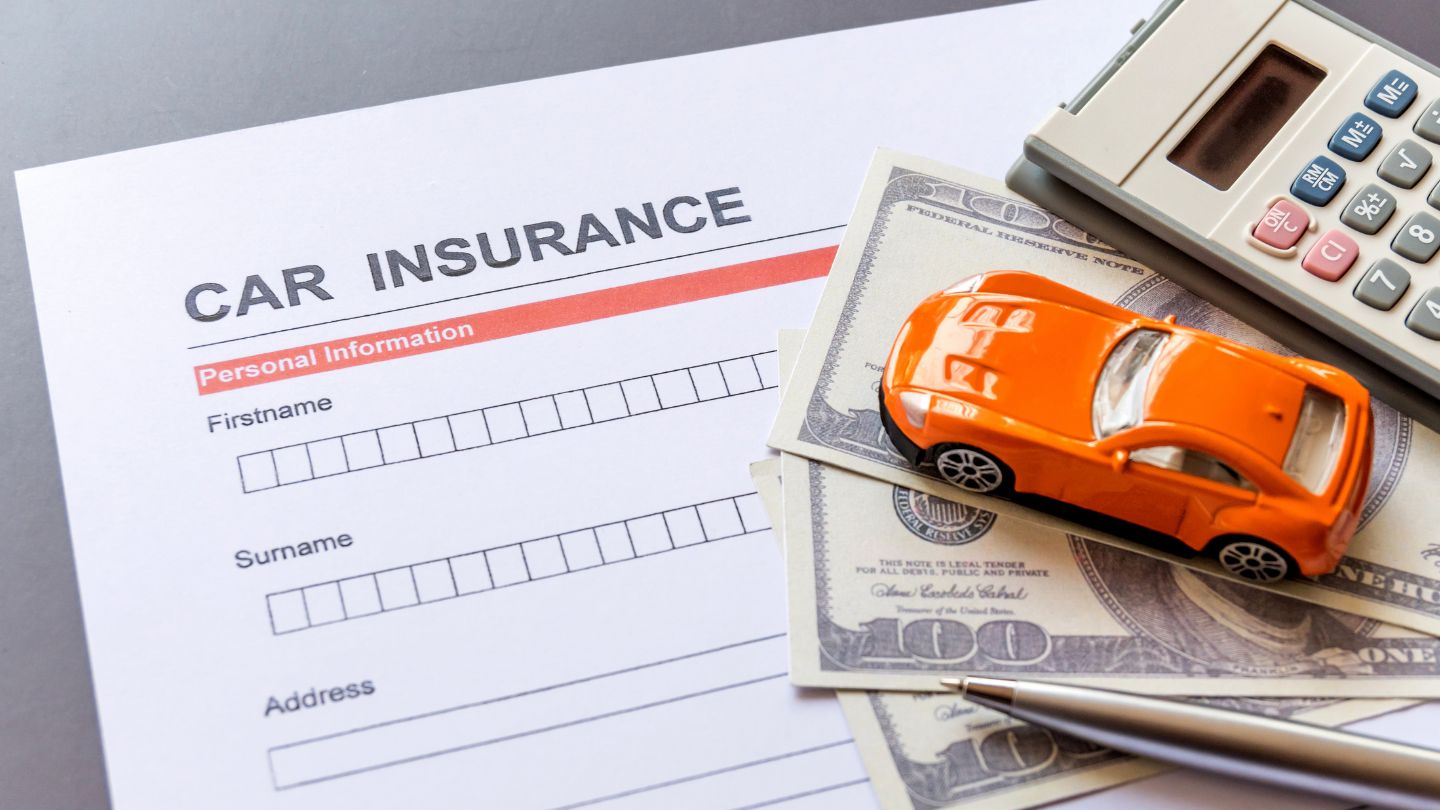 Maintaining a valid driver’s license is crucial for your car insurance policy. Insurance companies view drivers with expired licenses as higher risks, which can lead to increased premiums. Moreover, insurers may use the fact that your driver’s license has expired as a reason to refuse policy renewals. This can leave you without coverage when you need it the most, such as in the event of an accident. Updating your driver information with the DMV is essential to keep your auto insurance policy valid. This simple step can save you from financial strain and ensure that your claims are processed smoothly. The importance of driving safely and maintaining your driving privilege is obvious and cannot be overstated when it comes to how they affect your financial interests, money, pay, and responsibility. Please note the significance of these factors.
Maintaining a Clean Driving Record
A clean driving record is more than just a point of pride; it’s a valuable asset that can influence various aspects of your life. Your Motor Vehicle Record (MVR) reveals details about your driving history, including driving violations, demerit points, and license status. This information is crucial for insurance companies and potential employers who may check your driving record before making decisions. Participating in adult driver’s education can lead to lower insurance premiums and better driving records. The MVR typically shows the current status of your driver’s license, accident reports, suspended licenses, and traffic violations. Maintaining a clean driving record is essential for keeping your insurance rates low and securing employment opportunities that require driving. It’s a reflection of your commitment to driving safely and responsibly.Avoiding Unnecessary Fines
Avoiding fines related to an expired license is easier than you might think. Here are some key points to consider:- The fine for driving with an expired license can be as high as $250.
- The fine may be reduced to $50 if a valid license is obtained after the citation.
- In Washington State, failing to update your driver’s license after moving can lead to a fine of up to $250.
- Being ticketed for an outdated driver’s license may allow for fine reductions or waivers if a clean driving history is presented.
Ensuring Public Safety
Maintaining an updated driver’s license is not just about legal compliance; it’s also about ensuring public safety. Verifying a driver’s license status is crucial for safety, liability, and the reputation of organizations. Some limitations on a driver’s license include the requirement for corrective lenses or a temporary hardship permit after a DUI. Having a suspended driver’s license can result in loss of employment opportunities and difficulties accessing essential services, suspending access to vital resources. Understanding driving laws and regulations is critical to being a safe and responsible driver. When stopped by law enforcement for moving violations, it’s essential to be prepared to show your licensed driver’s license, vehicle registration, and ticket for motor vehicles, as this will determine adherence to the rules of the road and the vehicles involved. Utilizing modern technology for driver’s license verification increases efficiency and reduces human error, enhancing safety on the roads.Special Considerations for Teen Drivers Ed and Adult Drivers Ed
Teen and adult driver’s education programs have specific requirements and benefits that emphasize the importance of keeping your driver’s license updated. Teen drivers must complete specific educational requirements and have an updated driver’s license to receive their learner’s permit and progress to a full license. Adults who maintain current licenses benefit from greater flexibility and access to online driver’s education courses, enhancing their learning experience. The following sections explore the unique requirements for teen driver education and the benefits of adult driver education, highlighting the importance of keeping your school credentials current.Teen Drivers Ed Requirements
For teens, an updated driver’s license is vital for progressing through the stages of driver education. The requirements include:- Completion of a state-approved driver education program is necessary for obtaining a permanent driver’s license.
- Teens must complete a minimum of 45 hours of supervised driving practice, including specific night driving hours.
- In Virginia, residents under the age of 19 are required to complete a state-approved driver education program.
- They must hold a learner’s permit for a minimum of nine months before obtaining a driver’s license.
Adult Drivers Ed Benefits
Adult driver’s education offers several advantages:- A comprehensive understanding of road safety and driving laws.
- The course costs $30.
- It can be completed entirely online.
- Provides a certificate after just 6 hours of training.
- Flexibility to spread the required hours over a period that suits the learner’s schedule, making it convenient for those with busy lifestyles.
Final Thoughts
Keeping your driver’s license updated is more than just a legal obligation. It’s essential for ensuring your compliance with state regulations, maintaining your personal safety, and avoiding potential inconveniences that can arise from an expired or incorrect license. Updating your license also reflects your responsibility as a driver and helps keep roadways safer for everyone. If you’re looking to make this process seamless, we’re here to help. At EasyDriversEd, our flexible, online driver’s ed courses in Houston, Texas, are designed to accommodate your schedule and simplify the steps toward updating or earning your license. Whether you’re a teen, an adult, or a parent guiding a new driver, our courses provide all the tools and resources you need. Contact us today and take the next step toward becoming a confident and responsible driver.Frequently Asked Questions
What is the advantage of online driving school in Texas regarding scheduling?
The advantage of online driving school in Texas is the flexibility to schedule your required hours at your convenience, allowing you to spread them over a period that fits your lifestyle.How long does the Teen Drivers Ed course take to complete?
The Teen Drivers Ed course takes 24 hours to complete. This duration ensures that you receive comprehensive training to prepare you for driving.What is the process to receive a certificate after completing the driving education course?
You will receive your certificate of completion after successfully finishing the initial 6 hours of the driver education course. Ensure to meet any additional requirements as specified by your local regulations to obtain your certificate.How Much Can You Pay for Speeding in Texas?
 Texas is among the most beautiful places to drive. With all the open spaces and roads stretching for several miles, it is understandable why you would be tempted to step on that gas. However, giving in to the temptation puts your life and the lives of other road users in danger. You are also putting yourself at the risk of paying a high price. A speeding ticket in Texas can have a significant impact on your driving record. Speeding tickets vary by municipality. Below are a few examples of how much speeding in Texas can cost you.
Travis County
If you get a speeding ticket in Travis County, you will be charged by the mile. Currently, a speeding ticket in Travis County, Texas, costs $10 per mile and $20 if you go over the speed limit in a school zone.Bell County
A speeding ticket in Bell County, Texas, costs a flat fee of $177 if you go over the speed limit by about 1 to 5 miles. The sliding scale increases if you go over the speed limit by more than 5. You will pay a fine of about $336 if you go over the speed limit by 25 mph.Houston
A speeding ticket in Houston can range from $224 if you go over the speed limit by 1–5 miles per hour and $334 if you go over the speeding liming by more than 30 miles per hour in a construction zone.What Options Do You Have if You Get a Speeding Ticket in Texas
Here are a few important steps to take when dealing with your first speeding ticket.- Read the ticket.
- You can contest the ticket or simply pay the fine.
- If you plead no contest, the two points on your license will not be used against you in a civil suit.
- A guilty plea will be used against you in a civil suit.
- Pleading guilty might offer you the option of paying your fine via mail, and you will not need to make a court appearance.
- In exchange for pleading no contest or for pleading guilty, the judge can use their discretion to place you on probation if you apply for a deferred disposition. At the end of the terms of your probation, the judge can also decide to dismiss your case and ask that you be cleared of the speeding offense.
Stay Safe, Drive Smart
If you are a driver in Texas, you should do all you can to avoid a speeding ticket. Even the safest drivers get speeding tickets at some point in their lives. If you have a speeding ticket, contact us at EasyDriversEd for driver’s education in Plano, Texas.The High Stakes of Driving Without a License in Texas
In Texas, driving comes with responsibility, including the necessity of having a valid driver’s license. The question arises: Can you go to jail for driving without a license in Texas? Absolutely, especially with repeated or serious violations. Penalties for driving without a license in Texas are not to be taken lightly.What Happens Next When Caught Without a License?
If the police pull you over and you’re unable to present a valid license, the consequences vary. Each scenario is described below:- License Left at Home: Mistakenly leaving your license at home is the least severe of these scenarios. You’re likely to receive a ticket and a fine. However, Texas law offers a saving grace. If you can present your license to a judge later, you might just pay a $10 administrative fee and have the charge dismissed.
- Driving on an Expired License: If your license is expired, fines can go up to $200 for the first or second offense. However, don’t let it happen a third time within 12 months. That could land you in jail for up to six months, plus the fine.
- Never Obtained a License: Driving without ever having obtained a license? Expect a fine of up to $200 for the first two offenses within a year. More offenses could mean jail time for up to six months, on top of the fines.
- Suspended or Revoked License Now, this is where it gets more severe. If your license is suspended, canceled, or revoked, or if you’ve been denied renewal, you’re looking at a Class C misdemeanor. Fines can reach up to $500. And it gets worse if you have prior violations, a DUI-related suspension, or lack insurance. Then, you might face a Class B misdemeanor, with fines up to $2,000 and up to six months in jail. In the worst-case scenario, causing an accident without insurance can lead to a Class C misdemeanor, punishable by up to $4,000 in fines and one year in jail.
Final Thoughts
Driving in Texas requires a valid license—it’s as simple as that. But remember, having a license is more of a commitment to safety and responsibility on the road. If you find yourself facing any license or traffic-related charges, seeking legal advice is always a wise decision. Read more: Myths About Driving Are you an adult in Texas eager to get behind the wheel? Whether you’re a first-time driver or just need a refresher, a proper education is key to navigating Texas roads with confidence and safety. Sign up with EasyDriversEd for exceptional Texas adult drivers education and start your driving journey today.Navigating Parking Lot Safety: Essential Tips for Drivers
Navigating through parking lots can often be an underestimated aspect of driving. With numerous vehicles and pedestrians in close quarters, it’s vital to prioritize parking lot safety tips to avoid accidents and ensure the well-being of everyone involved.Drive Slowly for Enhanced Safety
One of the most crucial car parking safety tips is to maintain a low speed. In a parking lot, it’s essential to drive under ten miles per hour. This reduced speed gives you enough reaction time to respond to unforeseen obstacles, whether it’s a pedestrian stepping out suddenly or a car reversing. The slower pace allows you to manage distractions effectively and navigate safely. Read more: How Much Can You Pay for Speeding in Texas?Cautious Reversing Is Key to Preventing Collisions
Reversing out of a parking spot is a common situation where collisions occur. To enhance parking lot driving safety, always check your mirrors and blind spots before backing up. If your view is obstructed, edge out slowly, allowing others to notice your movement. Making eye contact or acknowledging other drivers or pedestrians ensures a safer exit from your parking spot.Understanding Parking Lot Layout
An often-overlooked aspect of safe parking tips involves understanding the layout of parking lines. Ensure you’re driving in the correct direction by observing the angle of parking lines. If parking seems challenging or requires elaborate maneuvers, it might indicate you’ve approached from the wrong direction.Choosing the Right Spot
Selecting an optimal parking spot can significantly reduce the risk of dents or scratches on your vehicle. Opt for spaces away from high-traffic areas or choose larger spots when possible. If feasible, go back into your parking spot for better visibility when leaving.Avoid Pulling Through Spots
While pulling through to the front of a parking spot may seem convenient, it increases the risk of collisions. Stick to the parking lane you’re in to minimize the chances of an accident. This is a vital part of parking garage safety tips.Adhere to Parking Lot Signs
Just as on the roads, obeying signs in parking lots is crucial for parking lot safety rules. Stop signs, directional arrows, and speed limits are there for your safety. Following these signs keeps not only you but also those around you safe.Secure Your Vehicle
After parking, ensure your car is secure. Hide valuables, roll up windows, and lock the doors. This action is a critical step in parking lot driving safety tips, helping to prevent break-ins and theft.Get Started with EasyDriversEd Today
Ready to ace your driving skills? Join EasyDriversEd for the best driver’s ed in Houston, Texas, and start your journey to becoming a confident driver! Contact us now and experience our exceptional driver education online!Defensive Driving vs Driving Safety
One of the most common questions we get asked is:“What’s the difference between a defensive driving class and a driving safety course?”
And people have a good reason for asking. They have a speeding ticket. The court told them that they can get that ticket dismissed by taking a “driving safety course.” But looking online, all they can find are defensive driving classes. But there’s nothing to worry about. The simple fact is that a “driving safety course” and a “defensive driving course” are the same thing. Most people call it “defensive driving” except for judges and attorneys who call it “driving safety.” Honestly, it’s like lawyers need a different name for everything!
As far as ticket dismissal is concerned, “driving safety” and “defensive driving” are the same thing! |